The History and Significance of Memorials
Table of Contents
The Origins of Memorial Tributes
The practice of creating memorial tributes to honor the dead dates back thousands of years. Some of the earliest known memorials include ancient Egyptian tombs, such as the pyramids, which were built to house the remains of deceased pharaohs and provide them with the necessities they would need in the afterlife. In ancient Greece and Rome, memorial structures such as temples and statues were erected to commemorate the lives of important historical figures and deities.
Over time, the purpose and form of memorials evolved, reflecting the cultural and religious beliefs of different societies. In medieval Europe, for example, churches and cathedrals often served as memorials, with elaborate tombs and monuments honoring the remains of saints and other religious figures. During the Renaissance, the focus shifted to more individualized memorials, such as portraits and sculptures depicting the deceased.
The Significance of Memorials in Modern Society
Today, memorials continue to play a significant role in how we honor and remember those who have passed away. Whether it’s a simple gravestone or an elaborate monument, memorials serve as a tangible way to commemorate the lives of loved ones and preserve their memory for future generations. They provide a space for mourners to gather, reflect, and find comfort in the shared experience of loss.
One of the most important functions of a memorial is to serve as a place of remembrance. By visiting a grave headstone or memorial site, individuals can connect with the memory of the deceased and find solace in the knowledge that their loved one is being honored. Memorials also serve as a way to educate and inform others about the lives and accomplishments of those being remembered, ensuring that their legacy lives on.
The Variety of Memorial Options
In modern times, there are many different types of memorials available to honor the dead. Some of the most common options include:
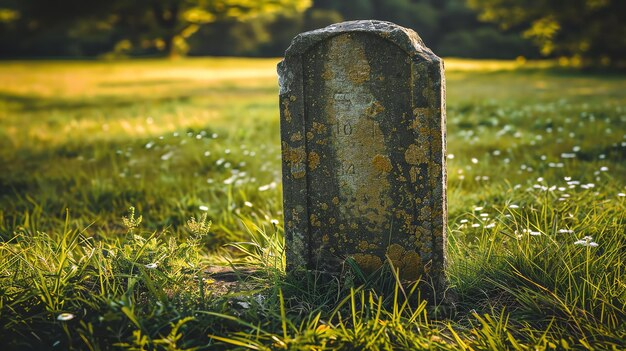
- Grave headstones: Permanent markers placed at the head of a grave, often made of materials such as granite or marble and engraved with the name, birth and death dates, and a personal message or symbol.
- Memorial gardens or parks: Outdoor spaces dedicated to remembrance, often featuring benches, sculptures, or other features that provide a peaceful setting for reflection and contemplation.
The Enduring Legacy of Memorials
Ultimately, memorials serve as a powerful reminder of the enduring legacy of those who have passed away. By creating a lasting tribute to the lives and accomplishments of loved ones, we ensure that their memory lives on and continues to inspire and touch the lives of others. Whether it’s a simple grave headstone or an elaborate monument, memorials serve as a testament to the profound impact that each individual can have on the world around them.
As we continue to grapple with the complex and often overwhelming emotions that come with loss, memorials offer a way to find meaning, comfort, and connection. They remind us that even in the face of death, the love and impact of those we have lost can never truly be extinguished. By honoring their memory through memorial tributes, we keep their spirit alive and ensure that their legacy continues to shape the world for generations to come.
Conclusion
Memorial tributes play a crucial role in honoring the memory of loved ones who have passed away. From funeral services and obituaries to charitable donations and grave headstones, there are many ways to create a lasting tribute that celebrates the life and legacy of the deceased.